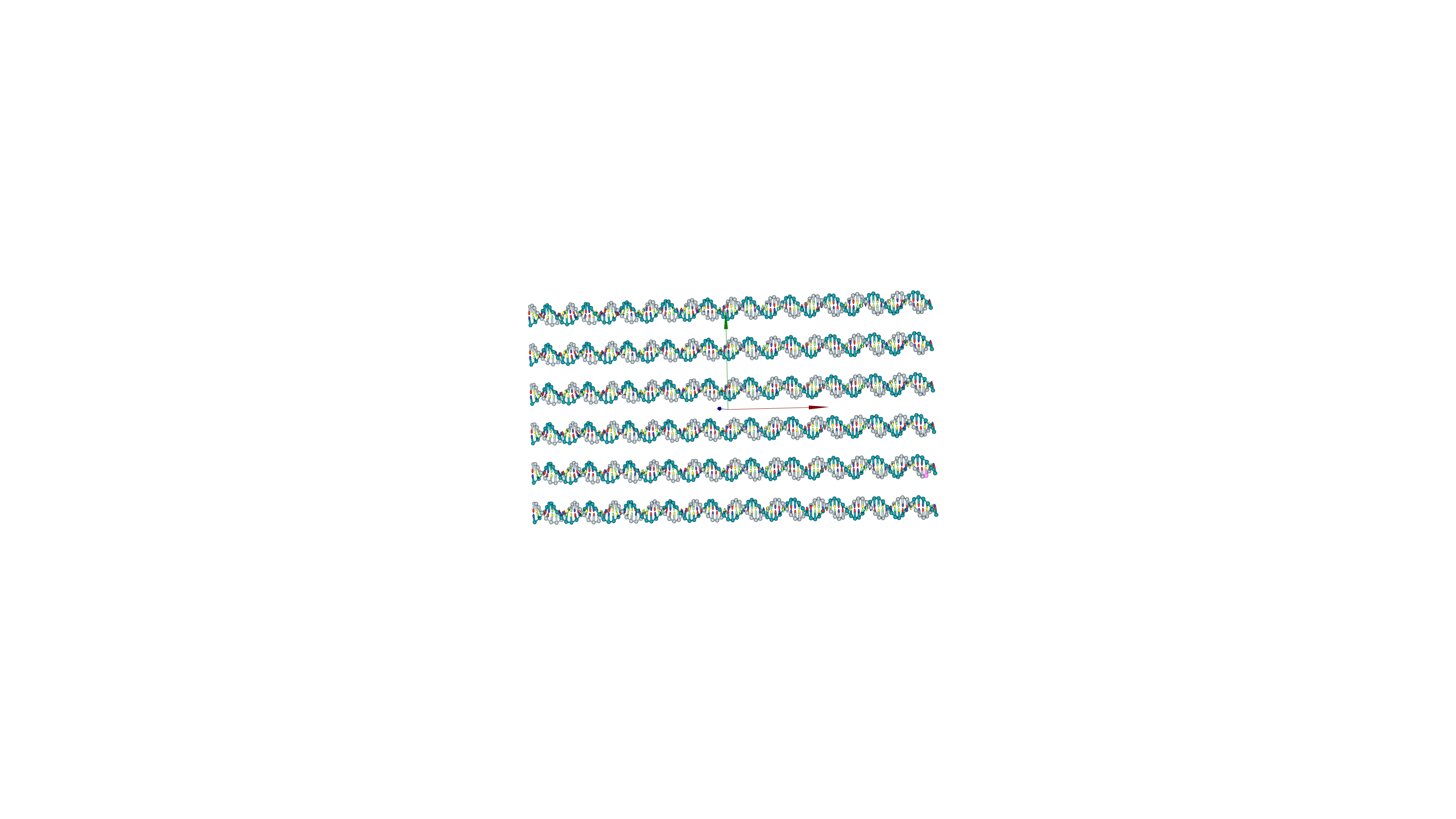
01
I included the flat tile as a starting point for understanding how DNA strands can be arranged into a larger form.
Ethan Yang’s portfolio
I’m Ethan Yang, a high school junior learning how to use DNA as a building material.
Welcome to my portfolio. I’m sharing the designs, questions, and experiences that are shaping how I think about DNA origami.
Browse the galleryHow it started
I made this gallery to show the world what DNA origami truly is and how much impact it can have.
I first became interested in DNA origami while researching new ways to use DNA. I learned that it could do more than store information: it could also become a material for building nanoscale structures.
That possibility made me want to learn how to design with DNA. My work is currently digital, and I’m exploring both creative forms and a therapeutic design for my science fair project.
This gallery brings those studies together. It is both a collection of images and a notebook where I can explain the questions behind them, keep track of my progress, and share the next things I want to explore.
I attend Peachtree Ridge High School.
The big picture
DNA origami is a way to fold DNA into a shape you choose. A long strand of DNA, called the scaffold, is pulled into a design by many short strands, called staples.
The result is a structure built at the nanoscale, where every position can be programmed. Paul Rothemund introduced the method in 2006, and researchers have used it ever since to place molecules exactly where they want them.
Researchers are designing DNA structures that carry a drug and release it only at a chosen target, such as a bacterial cell.
DNA shapes can hold sensors in exact positions, which helps scientists build tests for very small amounts of a molecule.
Because the shape is programmable, origami can work like a breadboard for arranging molecules into new materials and devices.
Much of this work is still being tested in labs. That is part of why I want people to see it now, and why I’m working on a therapeutic design of my own.
My experience
I’m a high school junior exploring DNA origami at the intersection of science and creative design. This gallery is where I’m beginning to document that journey.
My work is currently digital. I’m interested in both the simple forms that help me understand structure and the bigger questions that could give those structures a purpose.
Dr. Paul Rothemund at the California Institute of Technology (Caltech) pioneered scaffolded DNA origami, a method that uses short DNA strands to fold a longer strand into a designed shape.
I’m grateful to Dr. Rothemund for teaching me about DNA origami and helping me think about its potential therapeutic applications. What I learned from him helped me build my skills and strengthened my interest in continuing to explore DNA origami.
Tiles, frames, and tubes provide a starting vocabulary for thinking about molecular surfaces and space.
Stars, ribbons, and larger sculptures make room to explore symmetry, curvature, and perspective.
I’m exploring DNA origami as a way to deliver therapeutic moieties against bacteria. The project is still being tested computationally for science fair.
Gallery
From simple surfaces to sculptural ideas.
A closer look at each step.
Scroll to explore each model. Click an image or title for details and downloads.
01
I included the flat tile as a starting point for understanding how DNA strands can be arranged into a larger form.
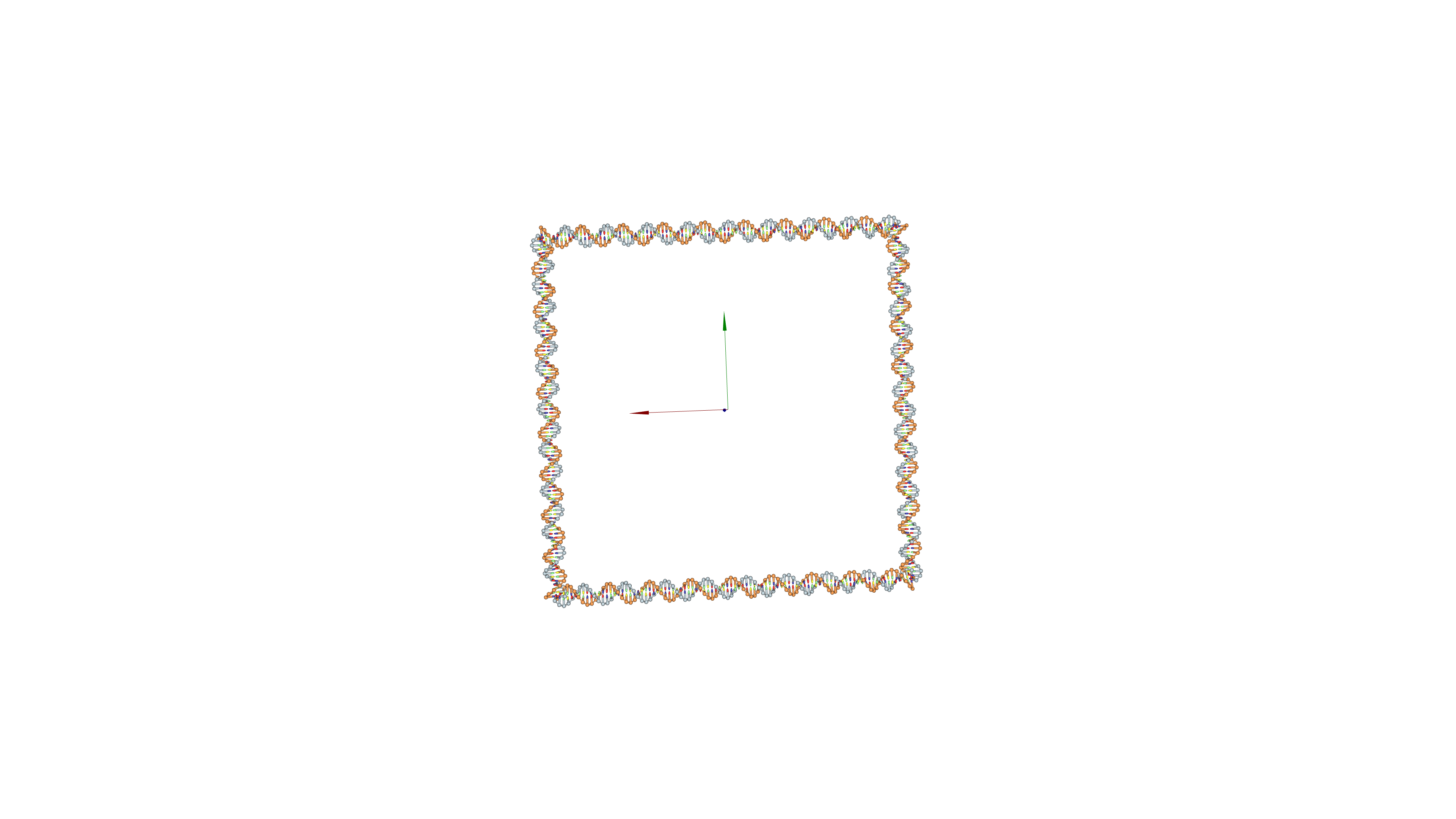
02
The hollow frame helped me focus on the outline of a design and the space inside it.
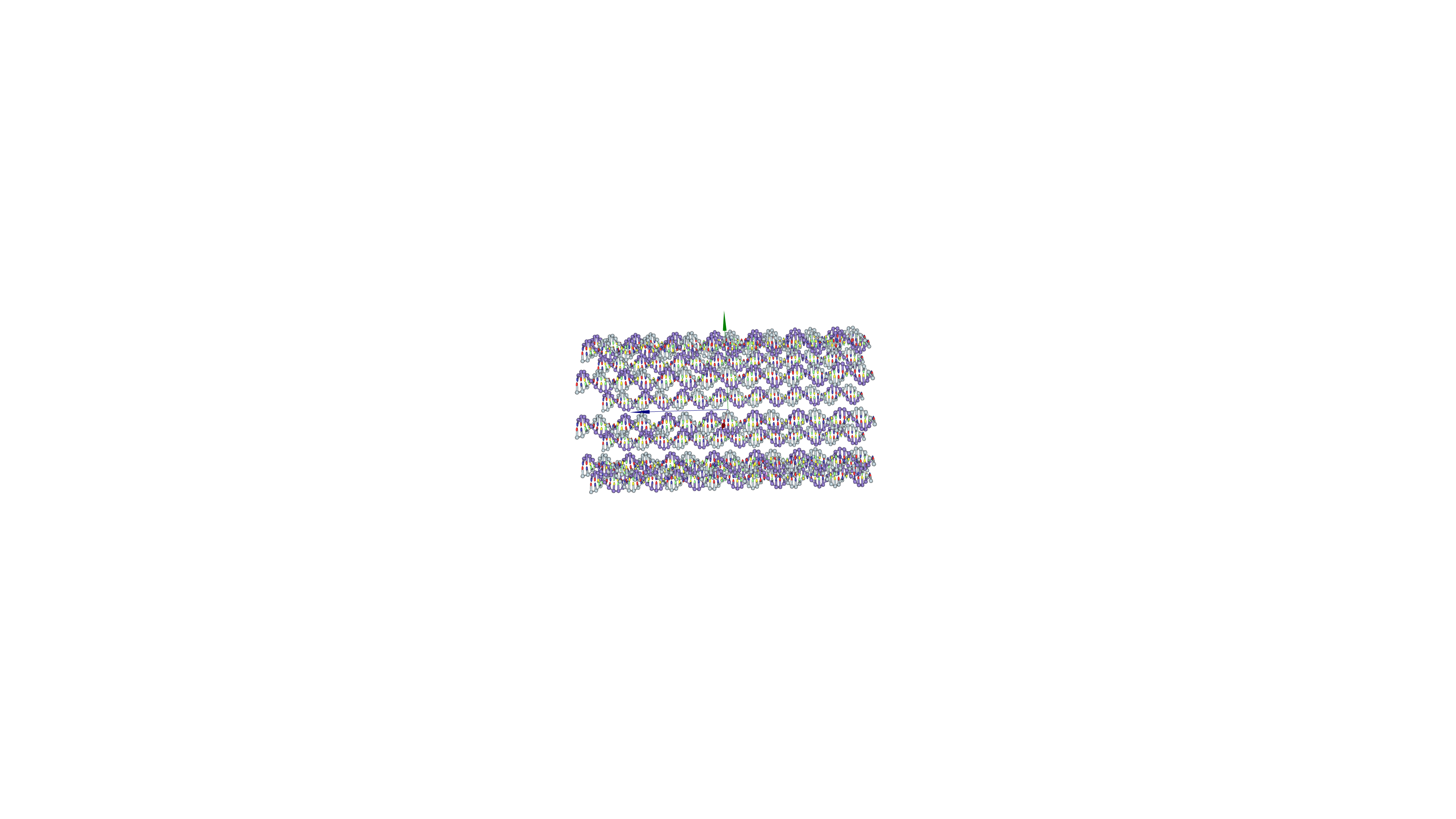
03
The short tube was a way for me to move from flat arrangements into three-dimensional shapes.
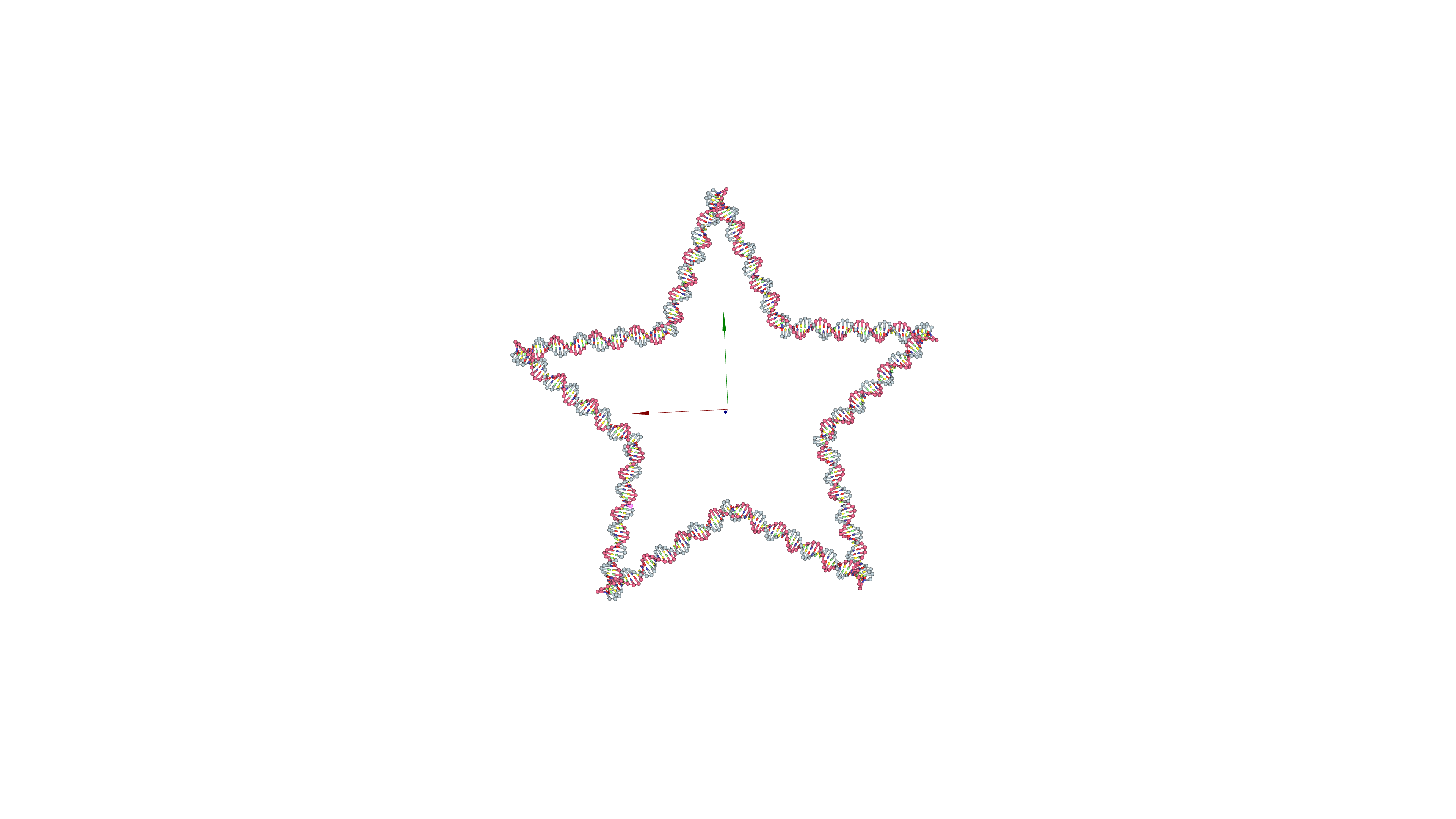
04
This star explores how a familiar shape can be described using DNA duplexes.
05
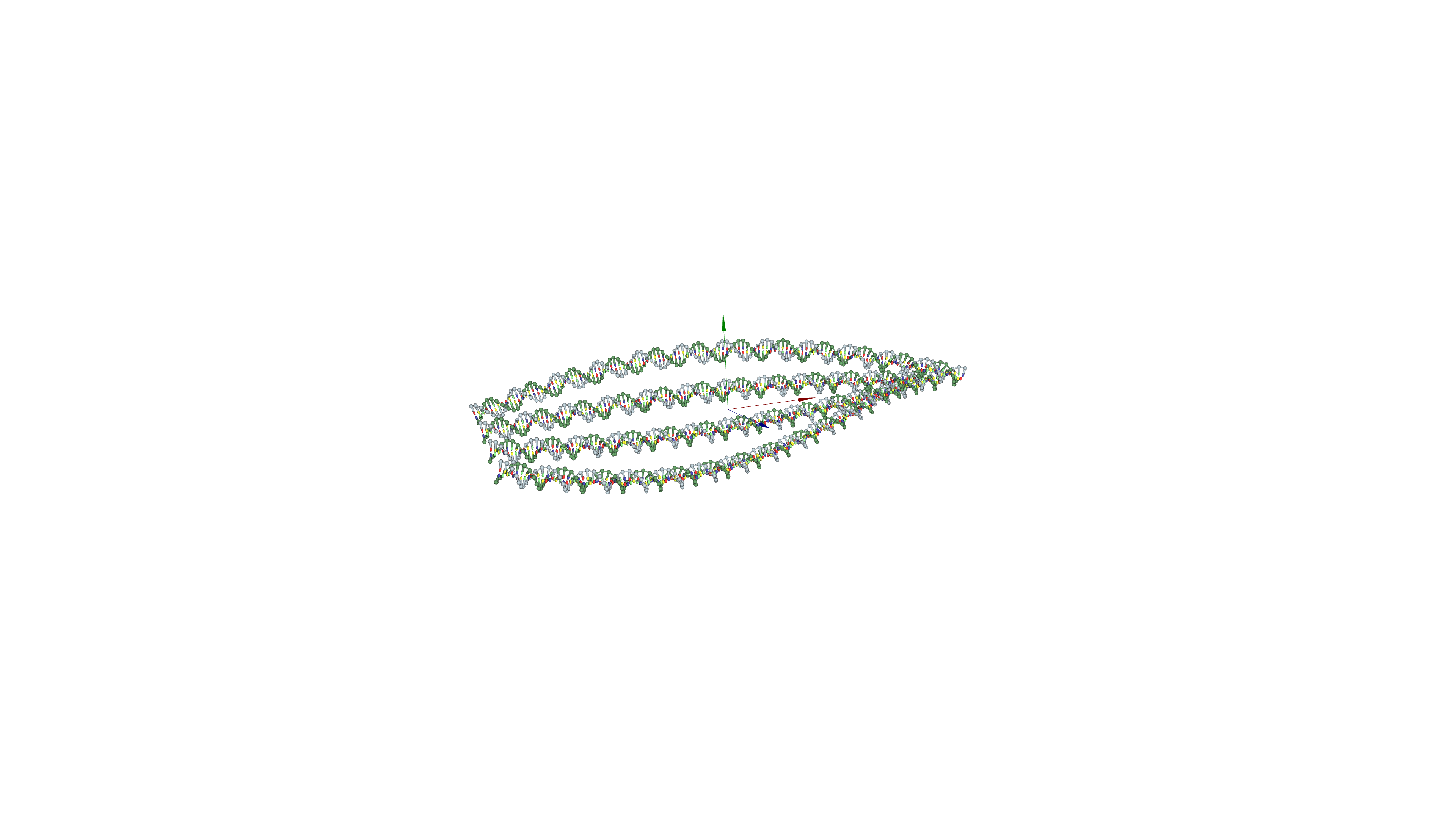
The twisted ribbon explores how a simple arrangement changes when it turns through space.
06
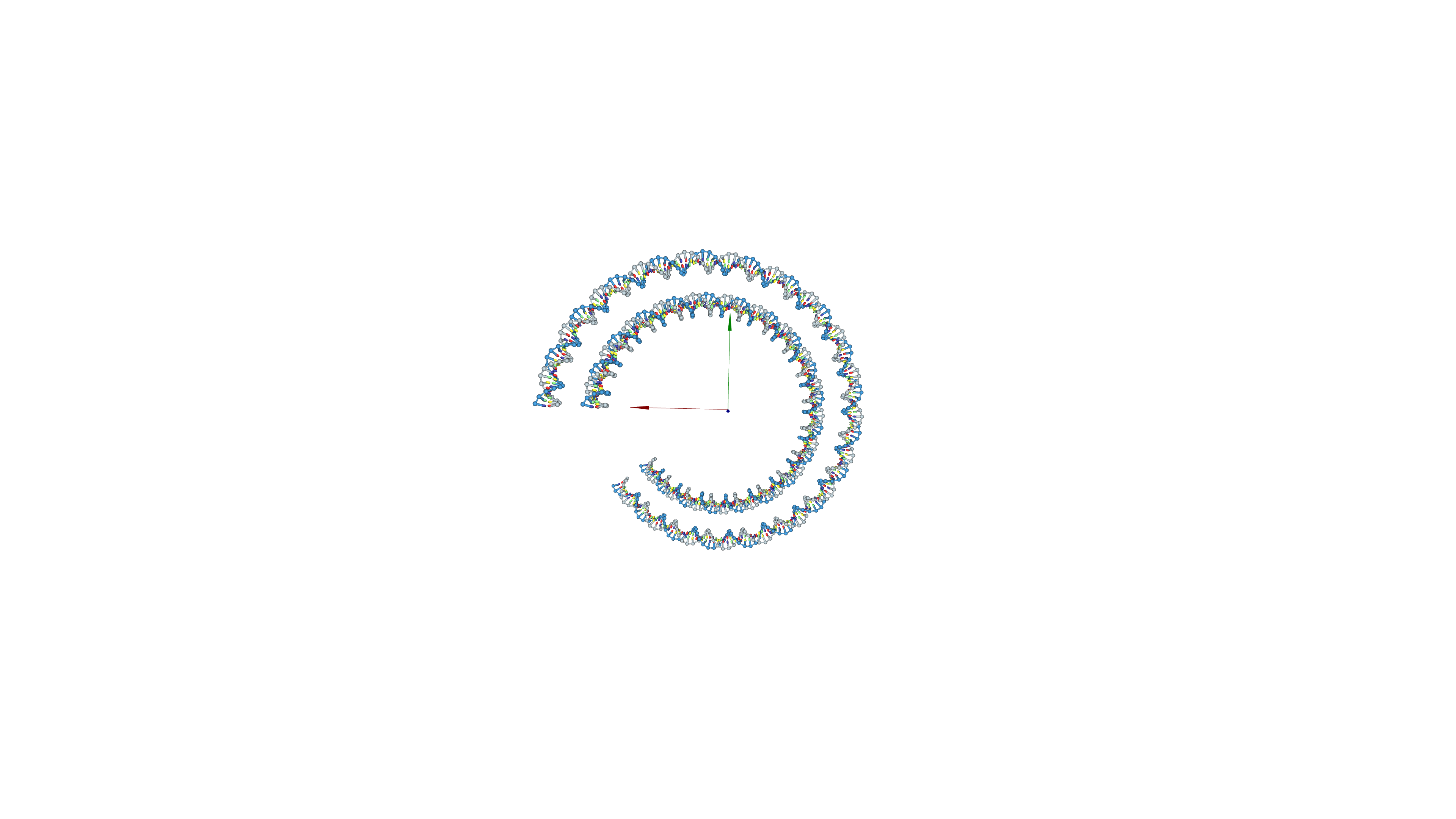
The open sculpture explores a form that rises and curves without closing into a complete shape.
07
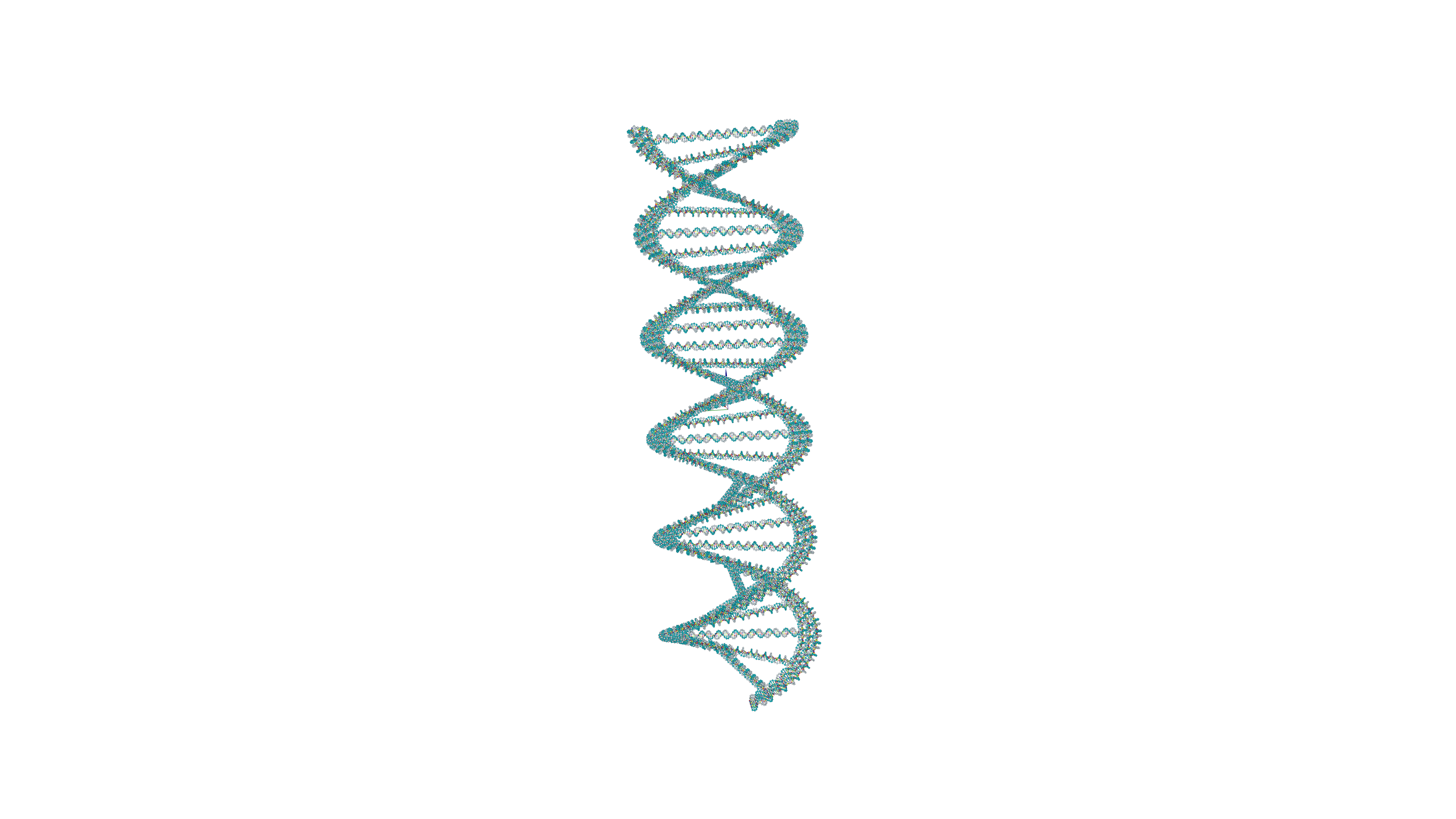
DNA built from DNA plays with the same shape at two scales.
08
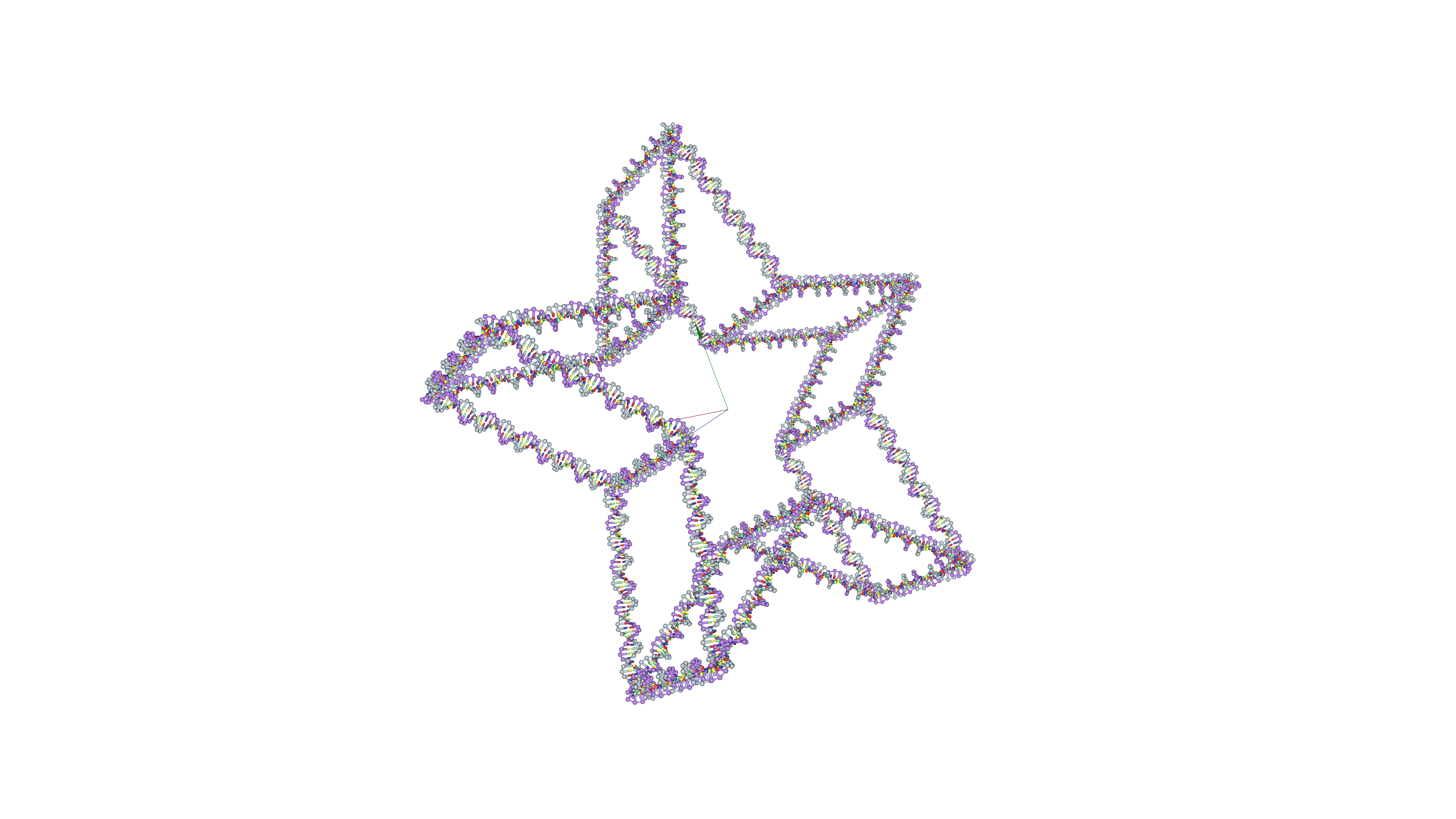
The three-dimensional star takes the flat star outline and gives it depth.
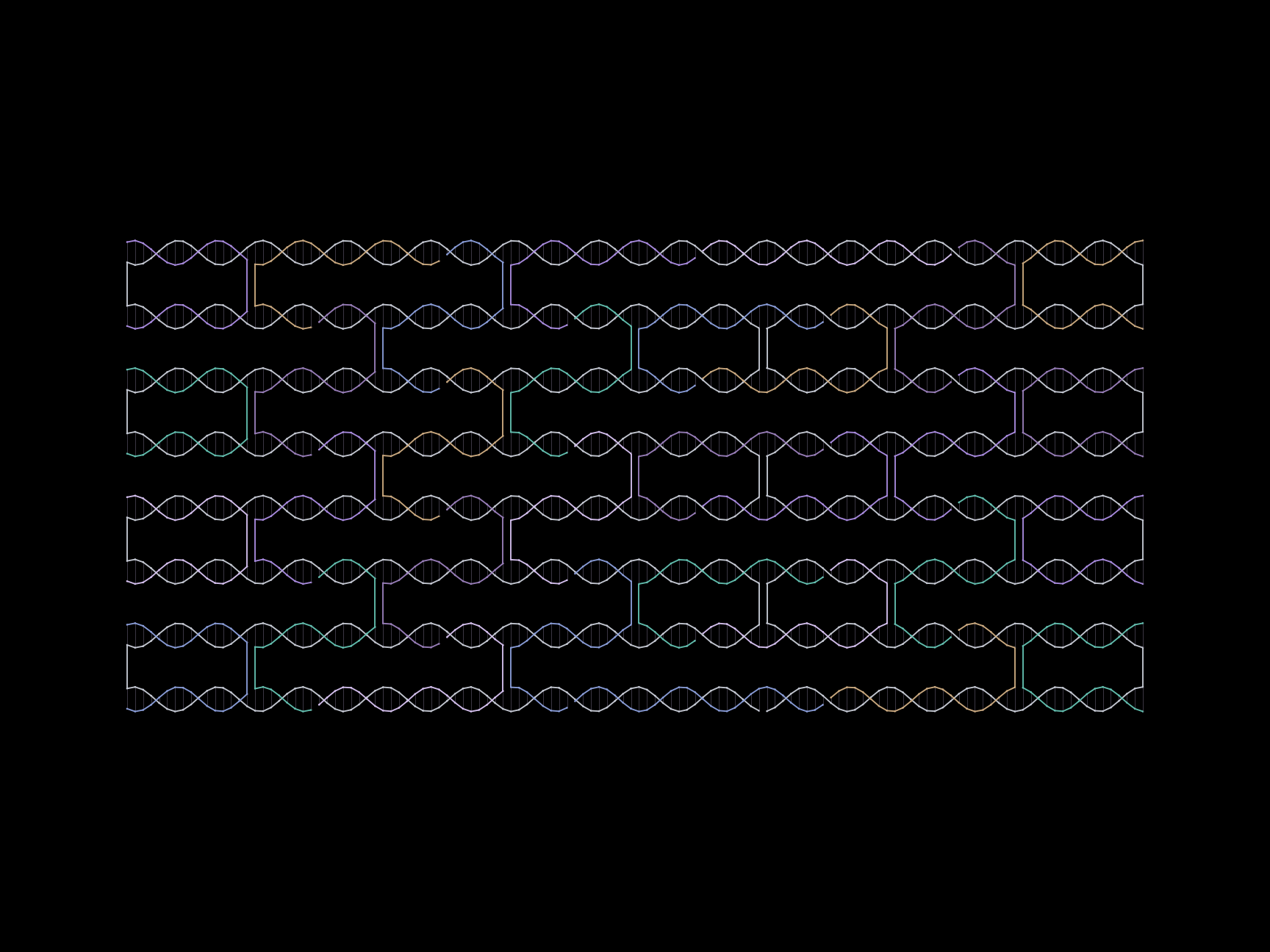
09
A connected rectangle is my next study in understanding how a shape is held together by DNA routing.
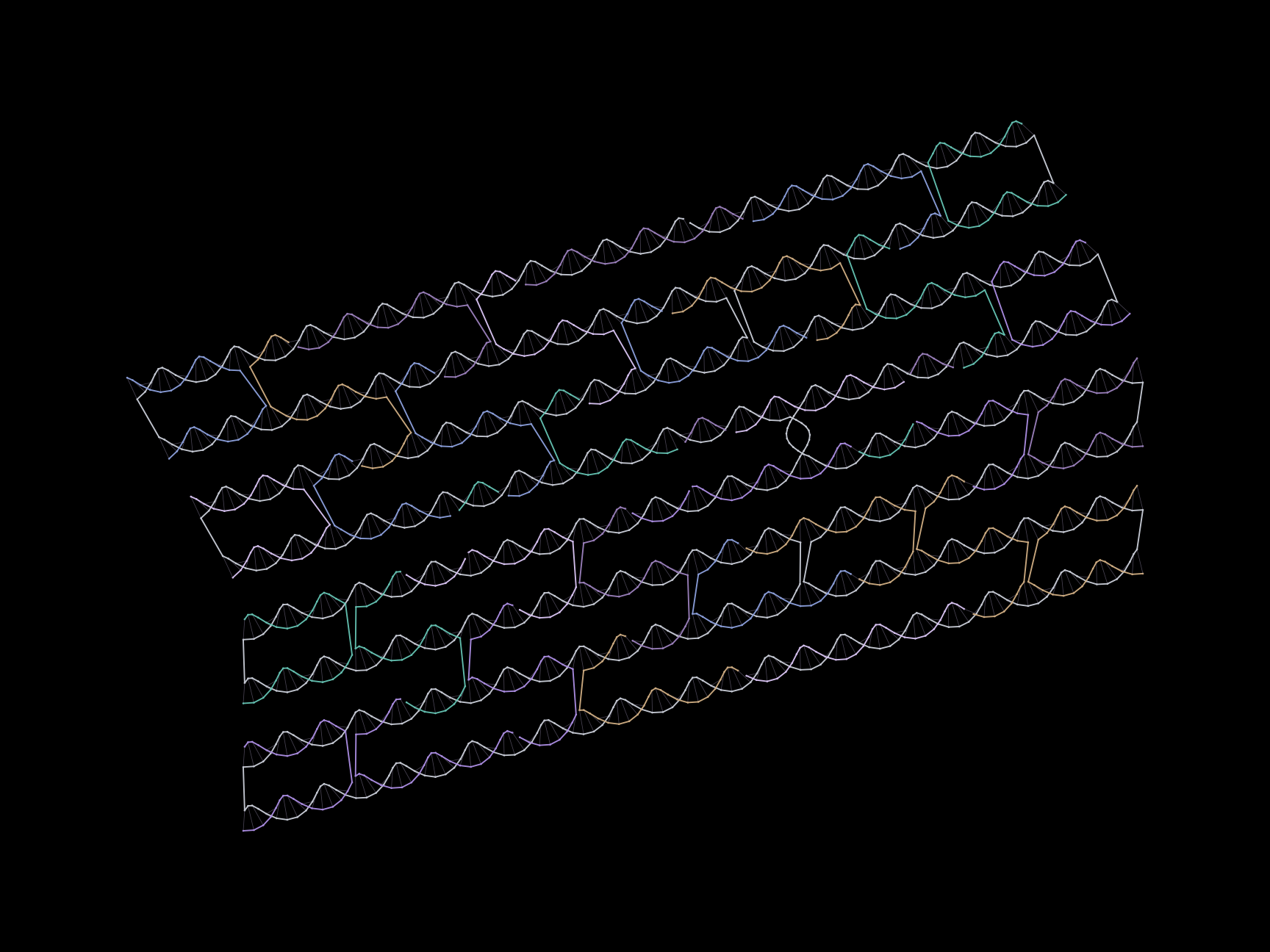
10
This study introduces a moving part: two DNA panels connected by flexible sections.
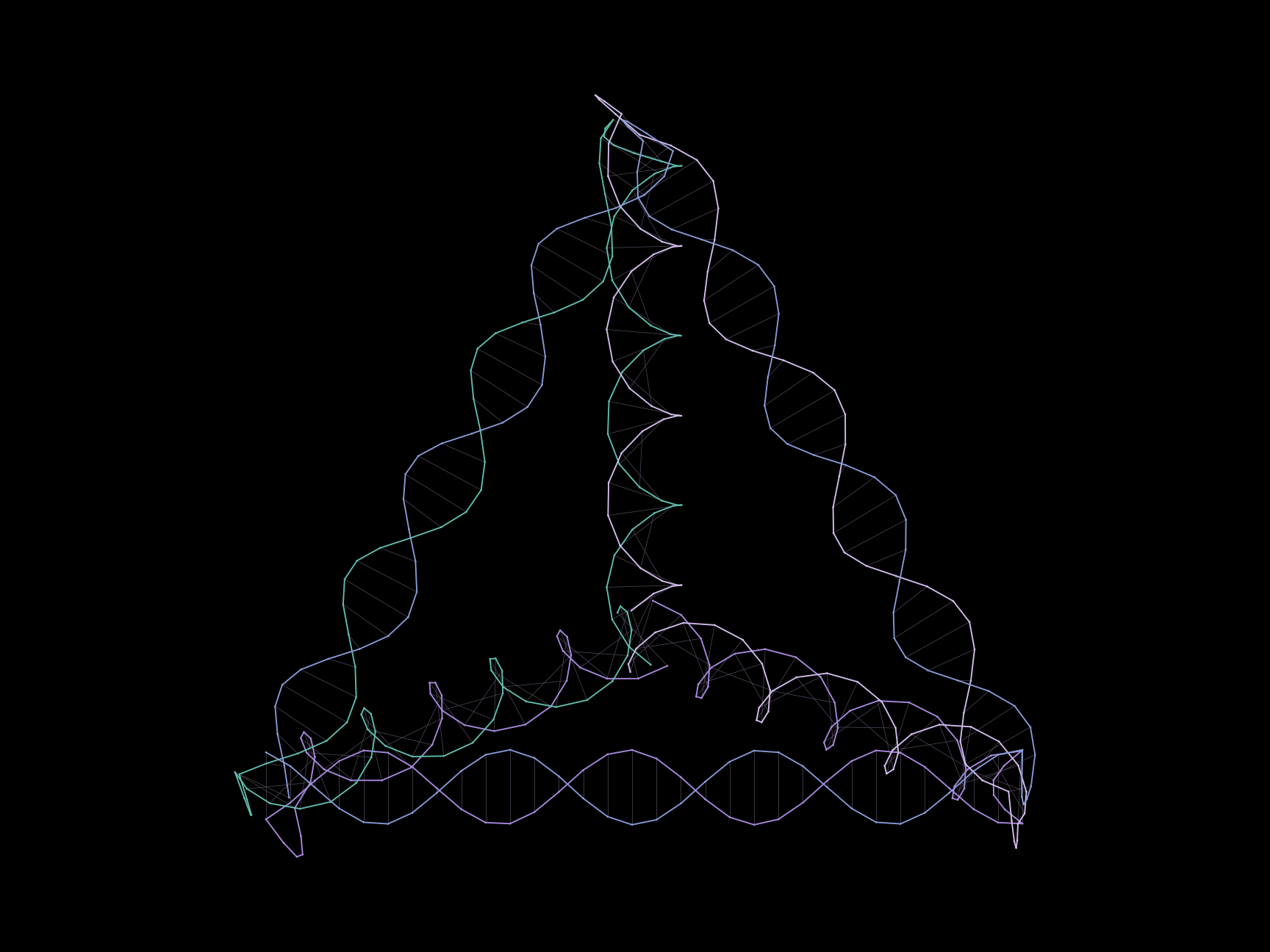
11
A triangular pyramid adds a compact three-dimensional shape to my collection of studies.
An open notebook, not a finished collection. Each study shares the structure, why I included it, and its place in my learning journey.
Model files and notes
Download a native .oxview file from any study. Open oxView, then drag the file into the viewer to rotate and inspect it.
Open oxViewThe first eight studies explore geometric arrangements. The new design studies introduce connected strand routing. Each model’s details explain its status and how its coordinates were produced. Folding and stability have not been validated for these gallery models.
Click a model for its oxView file, scadnano routing or strand map, design notes, and sources. The first eight use straight 2D strand maps; the new studies include their routing sources and explain any manually imposed 3D poses. Therapeutic research files remain available by email request.
Ethan’s science fair project
I’m exploring whether changing a DNA structure could help control the exposure of therapeutic cargo.
My project investigates a curved DNA origami carrier with DNA locks. I’m testing its mechanical behavior digitally and exploring how therapeutic moieties could be positioned inside it.
A closer look at the carrier I’m developing.
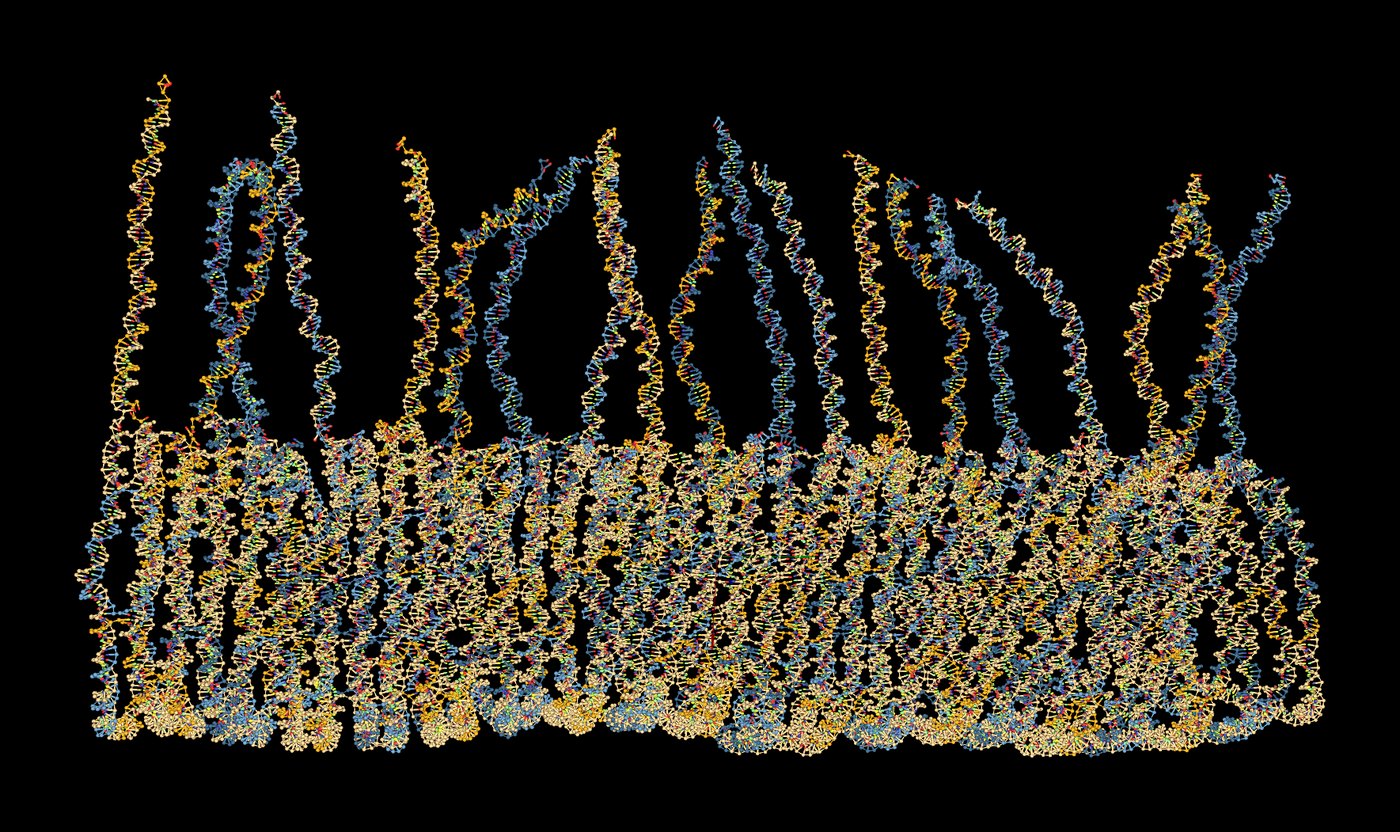
Step through the six frames I exported to show the structure changing in the aptamer-disconnected control.
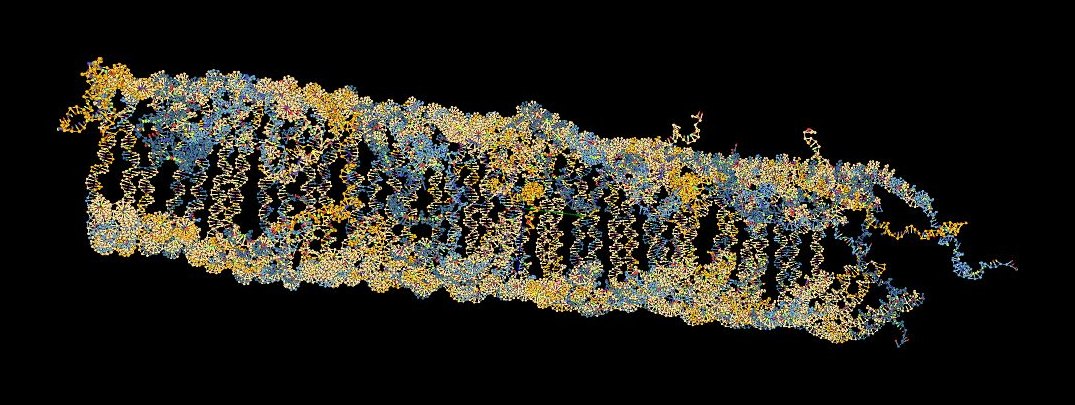
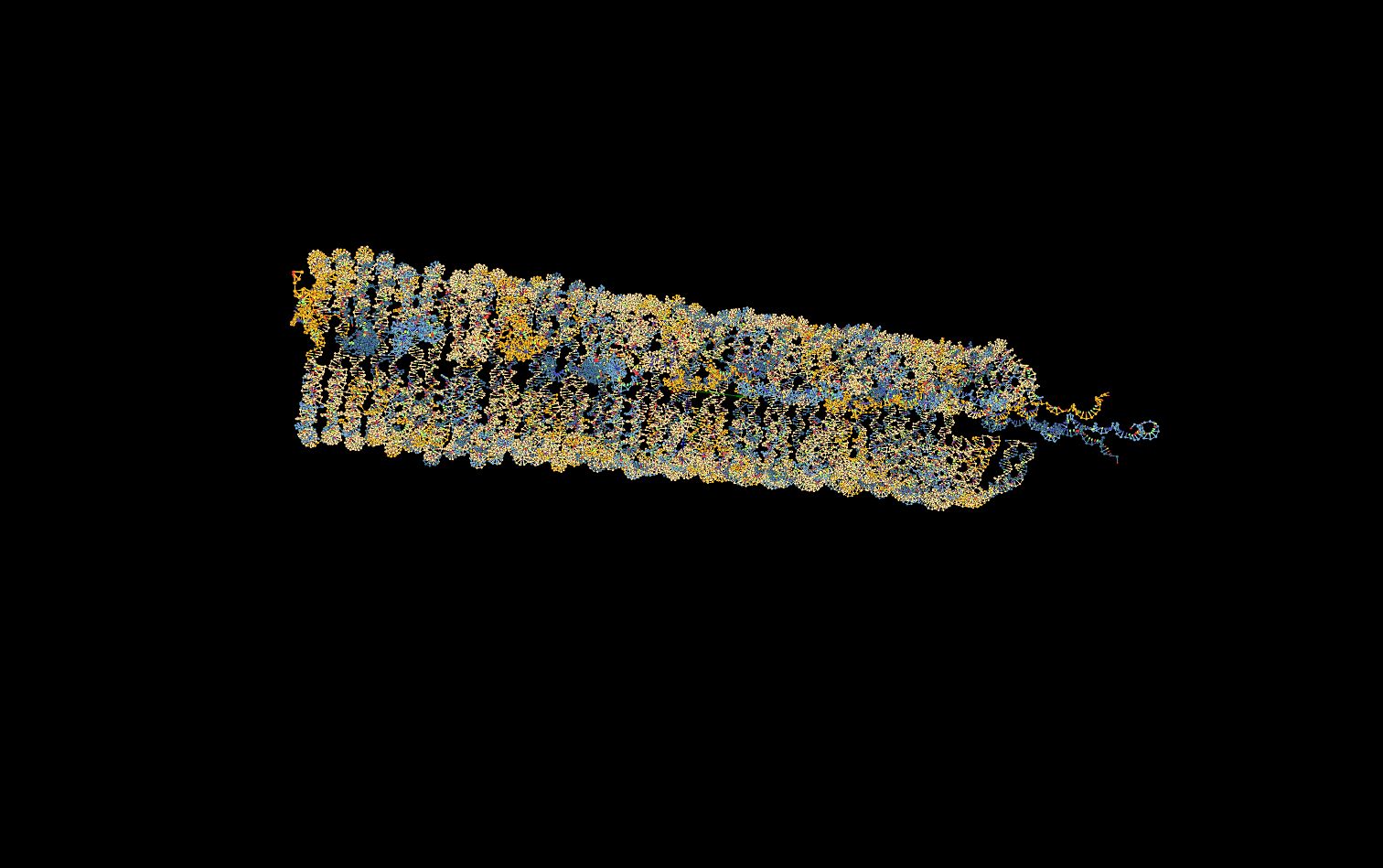
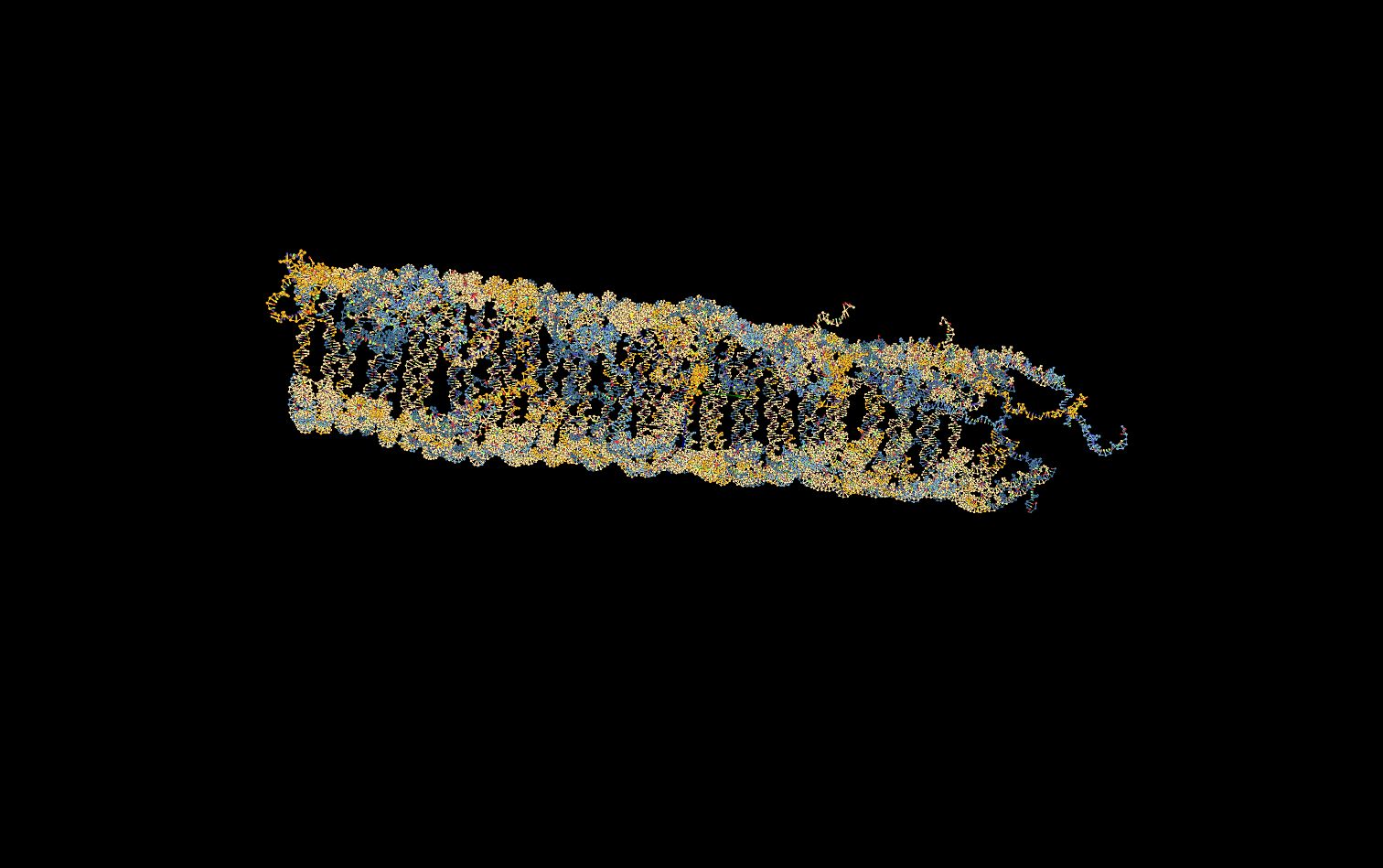
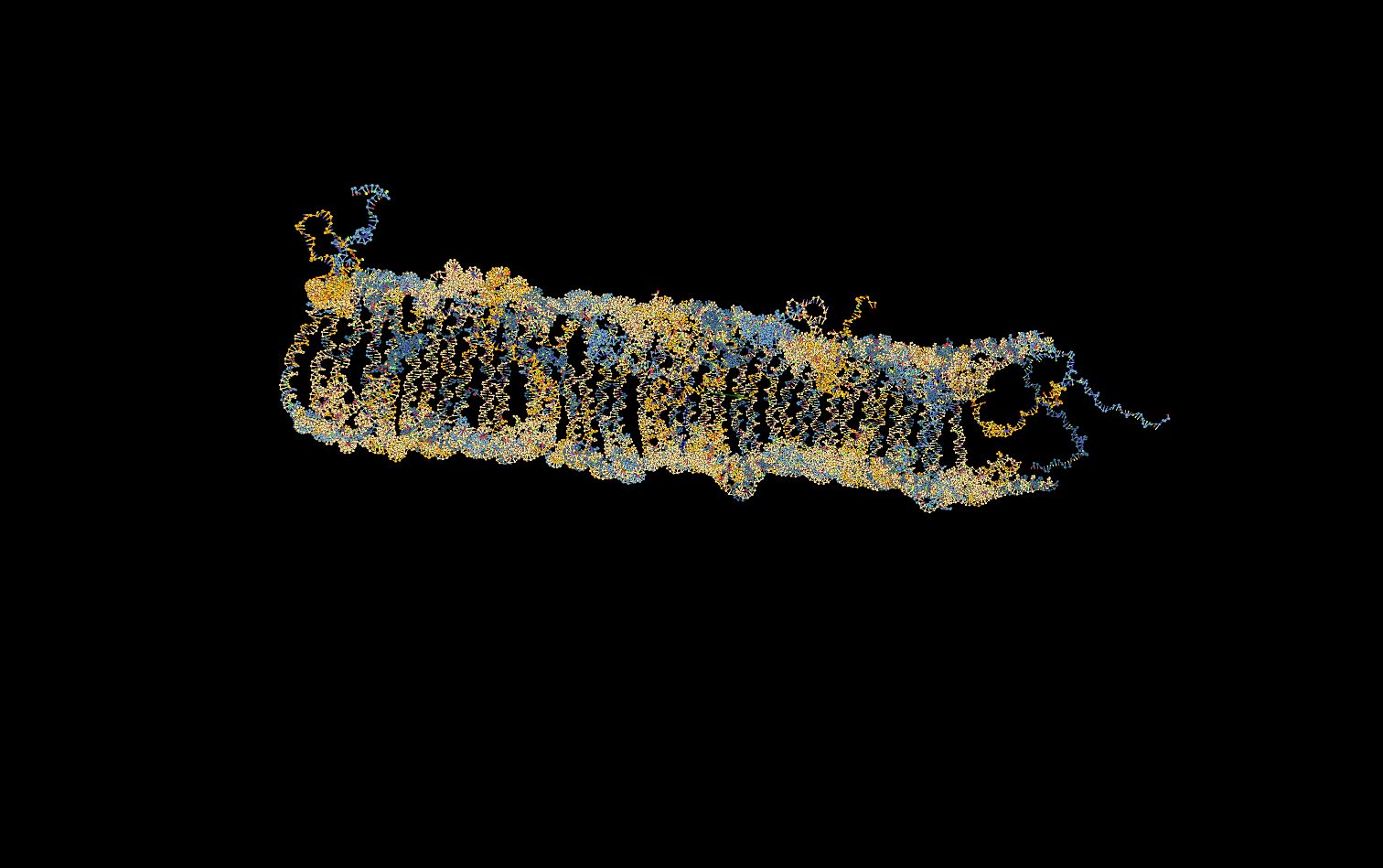
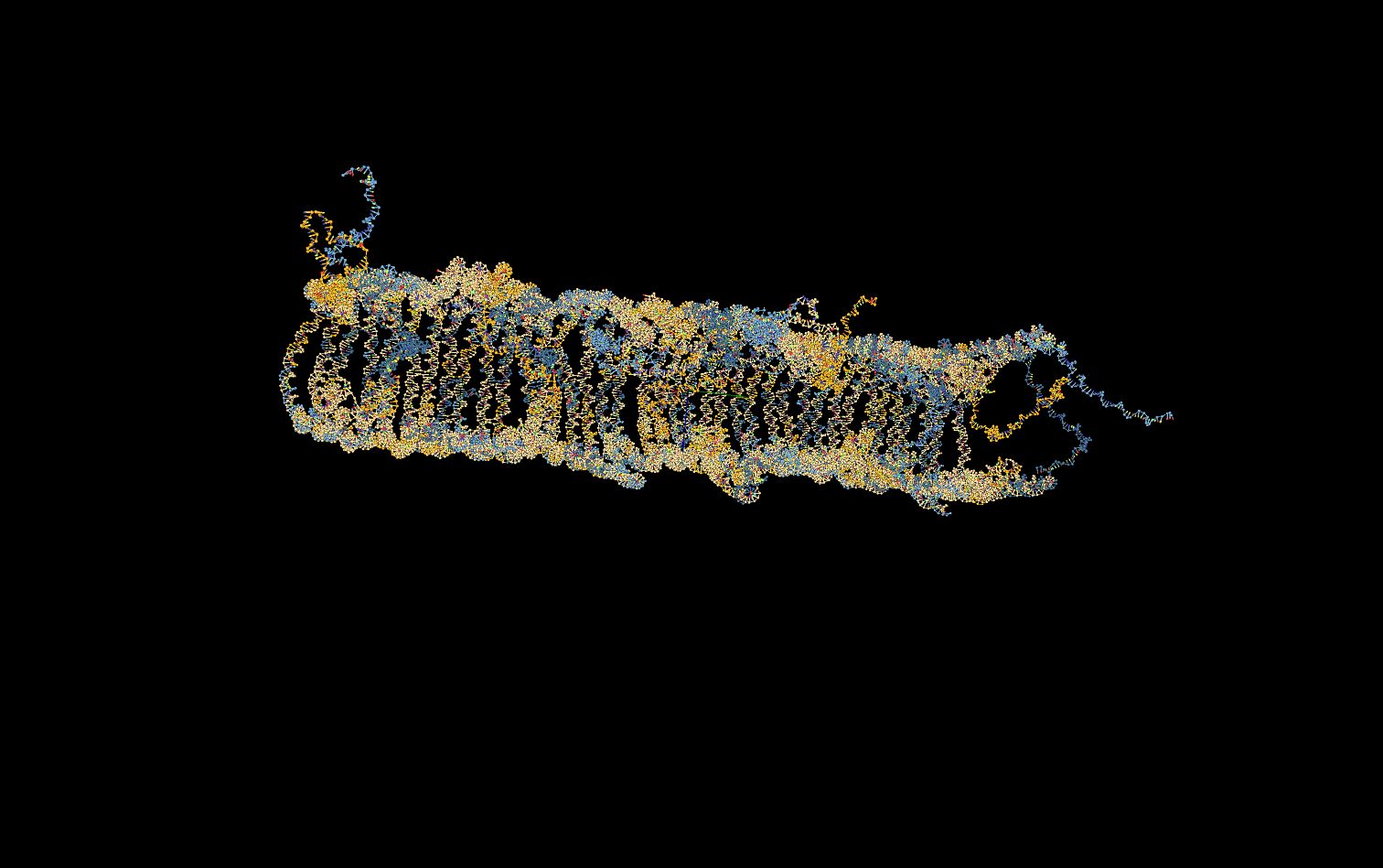
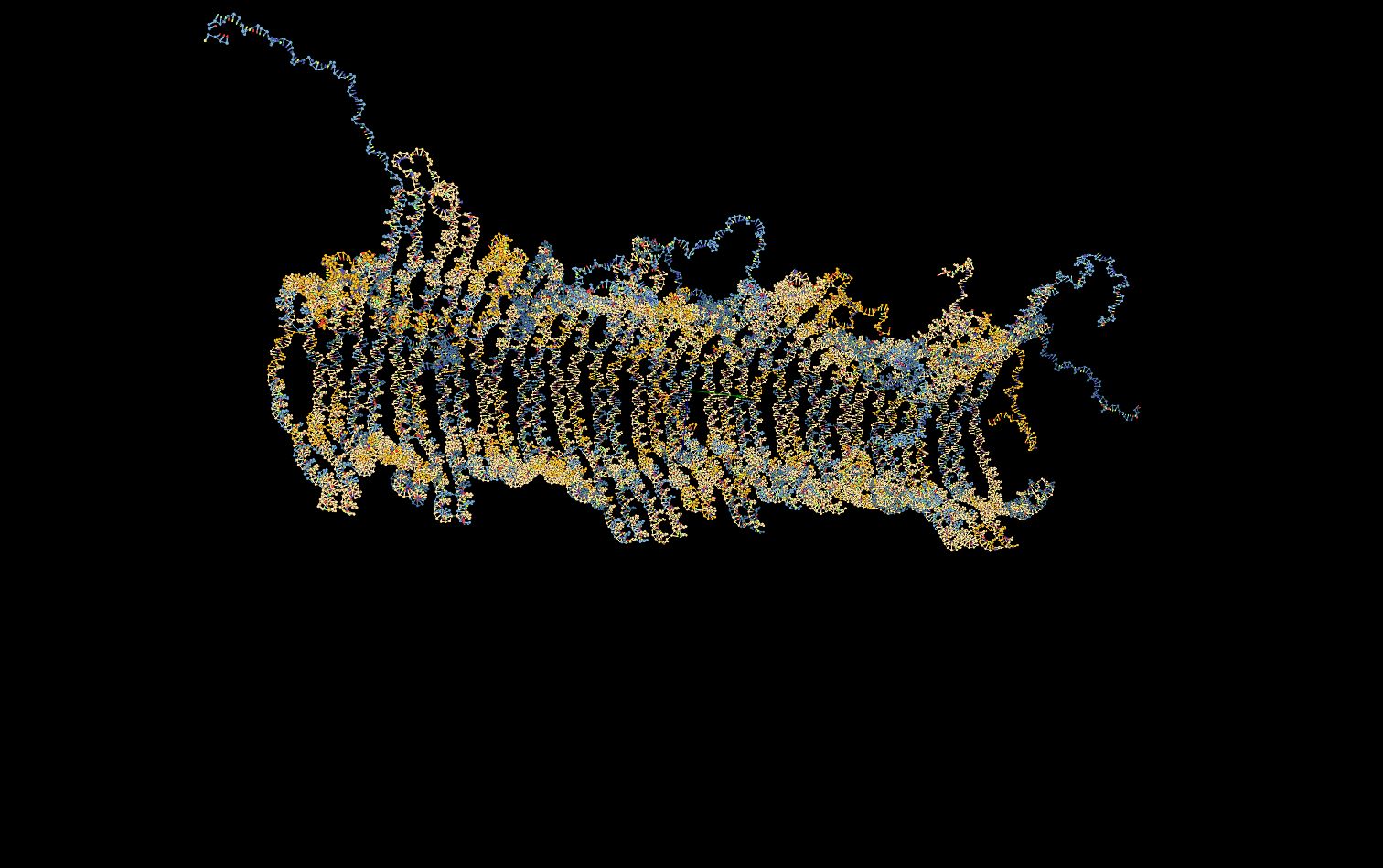
Playback uses the six supplied images in their original order. No simulation timestamps were supplied; playback speed does not represent physical time. This control does not demonstrate bacteria-triggered opening.
The selected nineteen-lock design and the recorded oxDNA comparison.
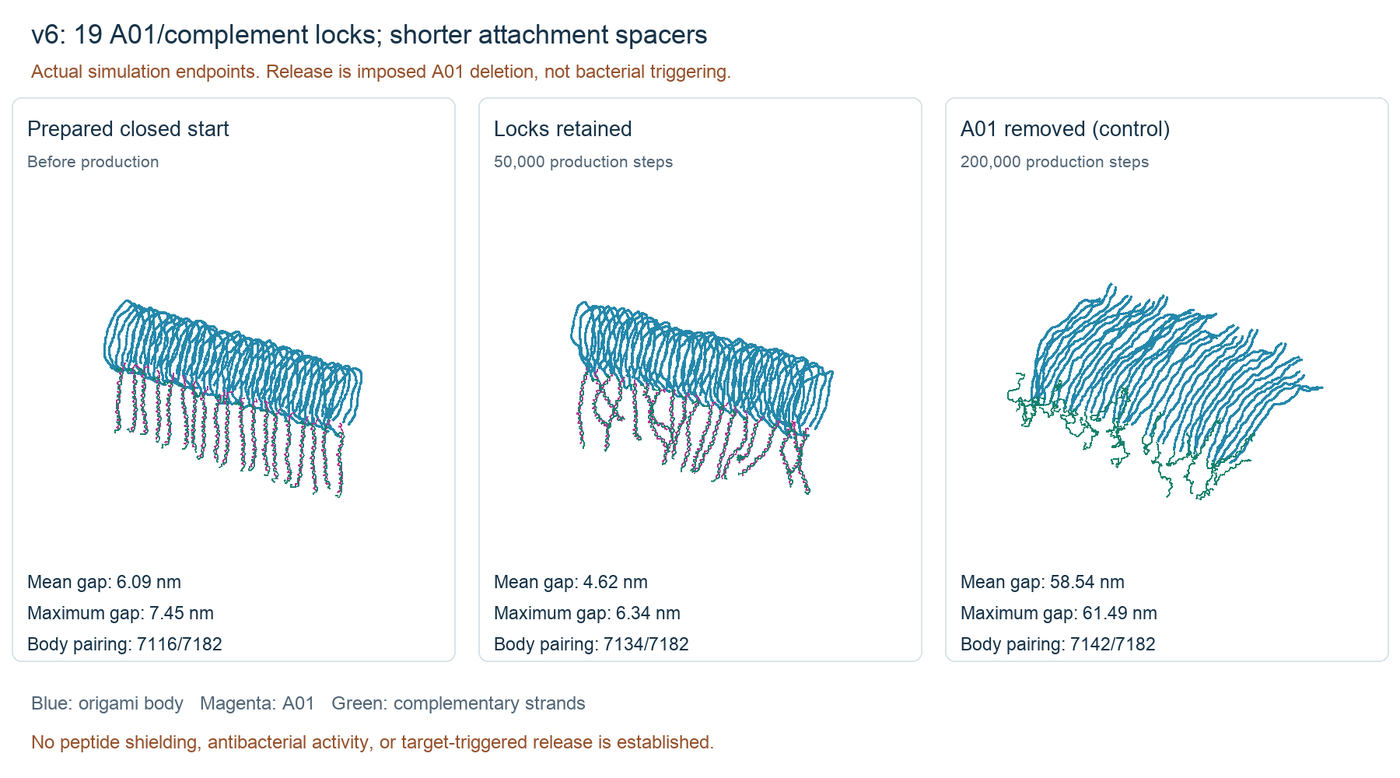
How does the carrier behave with its locks retained, compared with a control where A01 extensions are deliberately removed?
The deletion control shows opening after imposed lock removal. This supports that mechanical step under the tested computational conditions.
Bacterial triggering, peptide exposure, therapeutic activity, and off-target effects remain unproven for this device.
Cargo placement
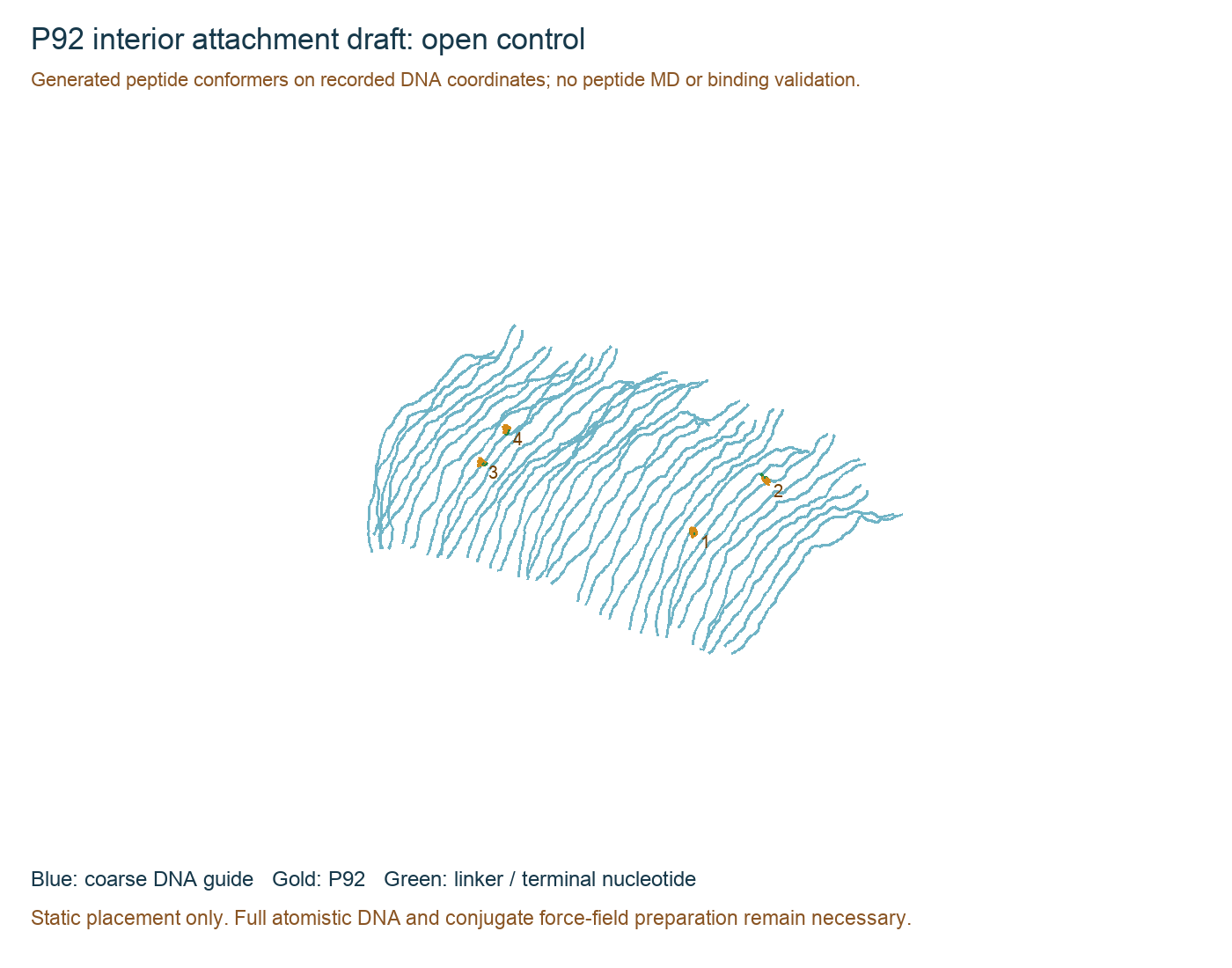
A separate draft places four P92 peptide fragments at interior attachment sites on recorded DNA coordinates. These static placements were added after the DNA simulations; they are not a simulation of a peptide-loaded carrier opening.
My next questions concern cargo accessibility and how that accessibility changes when the structure opens.

For the therapeutic model design and research files, please email me to request them.
Ethany0817@gmail.comContact
I’m Ethan Yang. I’d like this portfolio to connect me with students and researchers who share an interest in DNA origami.
Questions about a model, feedback on my research, or something you’re working on? You can reach me by email.